Sunday, 13 October 2013

The Big One

I was having a mother and daughter day yesterday, as my son was away all day playing competition sport. It was a chance for us to indulge in activities where men are considered nuisances. And what a day it was: 30 degrees Celsius, in mid-October. Earthquake weather, I remember my parents calling humid muggy unseasonal weather.
It may have been 30C out there, but the trees know it's autumn.
The plan was to go to the beach in the afternoon, but first things first: shopping! Among our favorite moments were when we spotted the perfect new curtain for her room - just €10 from the laiki (street market). We also found a reasonably-priced bolero-style denim jacket. "Can you imagine Daddy being here?" I said to her. "He'd tell you to wait until you go to Primark again to pick one up, a year away...". We had a good laugh over that one.

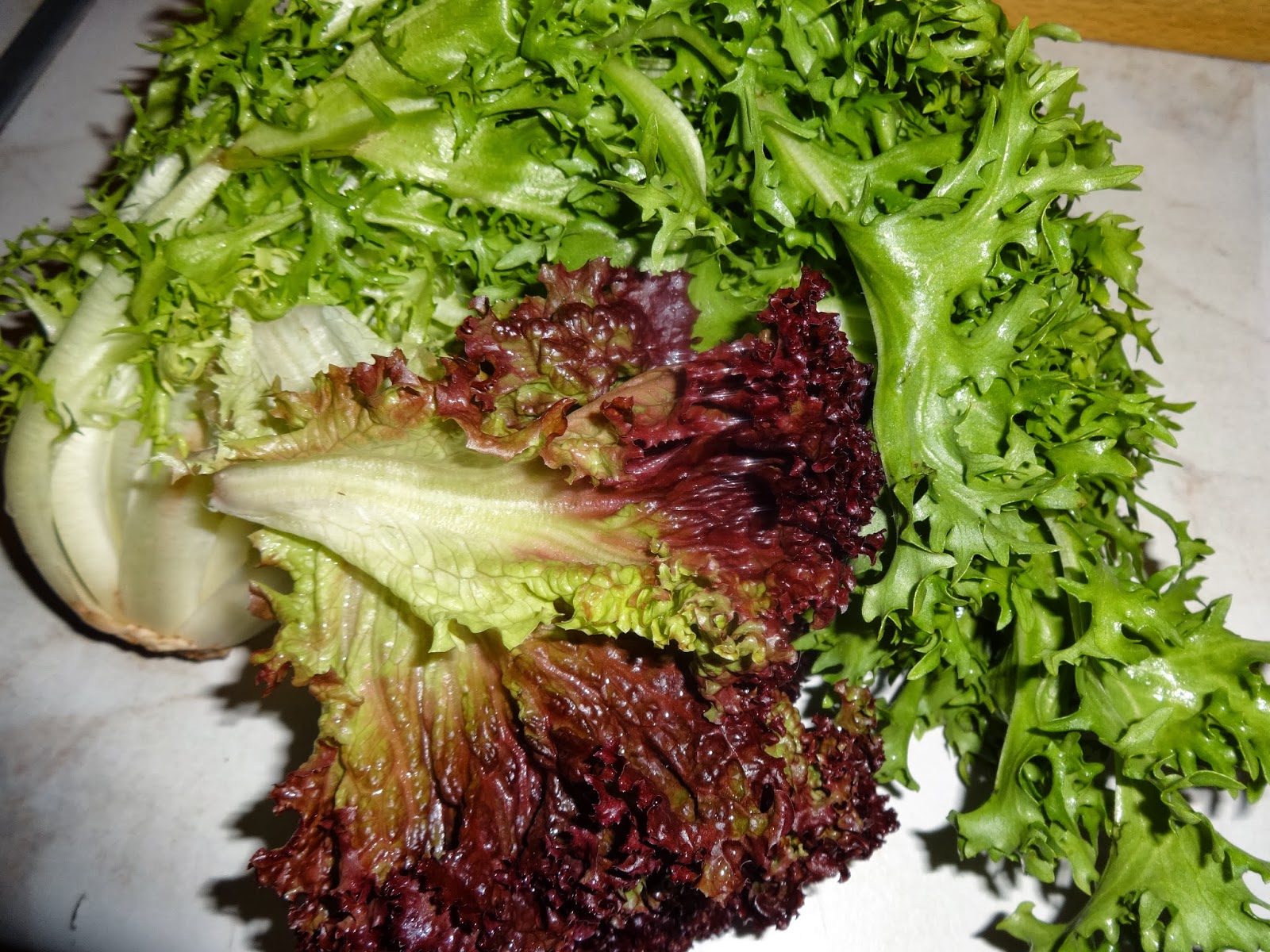
During our meanders, we came across a wine cellar which were selling wine that I had sampled at a wine tasting session (more on that when I write the post) so I bought a bottle of 2 MAZI (€10) to go with today's lunch (fresh fried sardines, at €4.59 /kg). Finally, we came home and made a fancy salad with supermarket lettuce which my husband complains is full of toxic pesticides (so we didn't leave any for him). I began frying the sardines which I'd bought at the supermarket (they have a fresh fish counter). 

"Dad wouldn't eat that either, would he, he says the ones sold at the fishmongers are fresher." 

When I first came to Crete, there was little in the way of lettuce available apart from Cos lettuce. Now, you can get pretty much any lettuce, and they are all being grown in Greece.

"Oh, that's because he can't force himself to admit that they all come from the same sea, and they are simply sold at different prices (the fishmonger is always more expensive) according to the amount a store purchases." ("And no need to tell him where you bought them from, either - they will taste the same either way.") Just as we were about to sit down and eat, I heard a weird sound coming from all parts of the house that seemed to come with a lot of vibration. It sounded a bit like this: "took-took-took-took-took-took-took-took", like a train that was trying to brake suddenly, and it just kept going.
No major damage was reported, but plenty of things dropping (like in this supermarket, whose upper level was closed due to earthquake damage), especially stones and rocks on the narrow roads next to gorges, and many stores needed to do a bit of cleaning up afterwards. The roads have since been cleared. A old man also jumped from his urban apartment balcony (he obviously remembered the advice he was given when a youth in his village: "Run out of the house into a field") and landed on on the roof of a car, which now has a nasty bump.
"Σεισμός!" said my daughter, and I told her to get up and come with me, as we made our way out of the house through the kitchen back door. We stood near the door frame on the balcony hugging each other, waiting for the earthquake to stop. That was a really big one, approximately 6.4 on the Richter scale. A friend described it as a viloently shaking jelly - and it seemed to last a long time... 

Thankfully, the earthquake's epicentre was in the sea, thankfully also at great depth. Although Crete, as well as Greece, is prone to earthquakes, the ones that occur in Hania don't seem to do great damage. This is because of the fortunate location of the prefecture, explained in this link. The epicentre of yesterday's earthquake was close to Gramvousa, whose landscape changed abruptly when a serious earthquake raised the peninsula by 4 metres many centuries ago. 
This rock simply rose out of the sea after an earthquake that happened nearly 2000 years ago - the black part used to be below sea level. (More photos here: http://www.organicallycooked.com/2012/08/gramvousa-and-balos.html) 
I never feel the aftershocks (there were at least a dozen), only the biggie. All's well that ends well. My favorite part of the earthquake (if you can have a favorite part in an earthquake) was when I could hear all the neighbours come out of their houses asking each other what was going on; it's a nice feeling to know you will be heard and helped, and thankfully, the damages were really minor for such a violent shake. Naturally, we did not go to the beach as we feared a possible tsunami effect. But the hot muggy unseasonal weather is set to continue today - there's still time to get an October swim in.

©All Rights Reserved/Organically cooked. No part of this blog may be reproduced and/or copied by any means without prior consent from Maria Verivaki.

Saturday, 12 October 2013

Crisis food

I got the supermarket early enough before the peak hour, which is how I managed to get hold of some πλατάρια - chickens' ribcages and necks.

In the pre-crisis days, when a butcher/supermarket boned various cuts of meat (which are usually sold in styrofoam trays and wrapped in plastic), this part of the animal was usually thrown away. When I bought meat, I would ask for 'some scraps' (this the kind of thing I used ot be given) so I could cook them up for my pets with some pasta or rice.

Since the crisis, these scraps are no longer thrown away - they are sold. They are popular (I can only find some when I am in the supermarket early enough). Not everyone uses them for their pets - they are seen in the same light as fresh food good enough to eat. They were selling at €1.57/kg - I bought 4, which works out to about 25 cents each.

When I bought them, the assistant asked me if I was going to turn them into soup. Greece is not really a soup culture (and it's 30 degrees Celsius today), but it is not unusual to find interesting vegetable-based soups which use meat stock on the menus of modern-style casual eateries these days, so I guess this will be a category which we could describe as 'watch this space'.

©All Rights Reserved/Organically cooked. No part of this blog may be reproduced and/or copied by any means without prior consent from Maria Verivaki.  

Friday, 11 October 2013

Car salesman

The New Car adverntures don't seem to stop in our house: the representatives from Hyundai headquarters in Athens phoned us up last night to ask us about our buying experience at the local seller. If we had not received the call from them, I would not have bothered to write up my experiences. Reliving my experiences with the car salesman is not a cavoury prospect.

The buying experience could have been miles better quite frankly: I thought that the salespeople at Hyundai Hania were very cocky and did not actually treat me like a special customer. When you are parting with a big amount of money, you feel some stress, so having someone making you feel comfortable about it eases things. In this case, I can genuinely say that I was not comforted at all about the way that the salesman handled the sale.

For a start, he never ever called us to tell us what was going on with the sale, and at which stage we were at. When I asked for the 'gifts' (the Auto Beeper Parking Sensor System) to be installed on the car before I picked it up, he said it couldn't be done (but the service workmen booked me a time to come and install it pretty much immediately when I picked it up). When I asked to order some extra spare parts that I wanted (wind and rain breaks on the windows because I refuse to use the air-con - I like to drive with the windows down in any weather), he didn't even order them, and now I am still waiting for them. And when we asked for a test drive, he said that he would arrange it - μην είδατε τον Παναγή, as we say in Greek. So we never actually did a test-drive.

As you can imagine, the sales evaluation was my turn to take revenge on those pompous prats. Naturally, I gave them low marks on many items. What do they think they are selling? Luxury? Our new car is a cheap model family car, a good choice for people who buy cars for purely functional reasons, eg to ferry kids to school, to do the shopping, to go to work. I was surprised at how easy it was to drive - it ain't much different from the previous Hyundai I owned!

The most annoying thing that that airhead did was to keep saying: "Oh, I can't tell you that," every time I asked him about the delivery of the new car. When I asked him to show me the different colours available, he said that he didn't have good pictures available that showed the colours. Surely the computer could show us everything, I wondered. How on earth do people decide what colour to buy if they are told that they cannot see the range in the first place?! When we asked for a brochure, he actually asked us to bring it back once we had no use for it! We initially settled on a blue colour, but every time I asked about when the car would come, I was told "Oh, I can't tell you that." When I asked if it would be here before Christmas, again he answered, "Oh, I can't tell you that." As a paying customer, I really could not work out WTF he was doing that for. Even if you really do not know, you make an effort to appease a potential customer by trying to handle the situation as well as you can, and I can say that he didn't even show he was trying.

When he realised that I would not take a simple 'no' for an answer, he was more salesperson-friendly with me. But as soon as the deal was closed (ie they knew where their money would be coming from), that facade broke away. I feel sure that I was treated like crap because:
a) I was a woman (and I am supposed to be ignorant about cars)
b) I was an already convinced customer, having owned the same brand in the past and been happy with it
c) I had already decided on buying a Hyundai - they had absolutely NOTHING to lose.

We eventually settled on the silver car in the showroom - choosing any colour that was not in the showroom would have meant waiting for an unspecified amount of time. That's not really a very global way to do business, is it? And still no test drive, even though we had bagsed that car. After we closed the deal money-wise, we could not be bothered with the test drive. We had more important things to do than think about test driving a car which we had already paid for. They did not even tell me when the car would be cleared of customs so I can pick ut up, even though it was sitting in the showroom. I popped in myself nearly two weeks after the deal was made, to ask them. I entered the showroom and said "Hello," and they Hello'ed me back and asked me 'what brought me there' (would you believe it??). I asked them if they needed any documents from me before the car was ready to be picked up. They said they didn't.


For at least a year, I have not listened to much radio, because the old car radio was not working properly. This was the very first song I heard on the very first time I turned on the radio in my new car. LUCKY YOU - I hope that is an omen! 

I'm usually very good at breaking down barriers, so I just stared at them until they broke the silence. "So what's going on, Ms Maria?" they asked me like ignorant fools (as if I popped in for a chit-chat!). I just shrugged and said "You tell me". "Oh," they said, remembering their purpose, "the car will be ready for you to pick up by Wednesday at the latest." (It was Friday when I spoke to them.) Talk about casual! They couldn't even give me a call and remind me not to put more petrol in my old car!

At the end of the ranking exercise for different questions about the salespeople, the premises, the way the sale was handled, etc, the woman who was asking the questions asked me if I wished to submit my responses anonymously or with my name. I decided to submit them with my name; after all, the local salespeople would know that I was the one who gave these responses (unless they are incredibly thick, and I don't think that is the case). They have a right to know who is unhappy with their lack of manners in the same way that I have a right to tell them off.

By the way, the salespeople at Hyundai do not bear any resemblance in manners to the technical staff, who are, simply put, wonderful. They smiled when they saw me in the new car and they all said Καλορίζικο (which loosely translates to "May the new thing you bought bring you good luck"). They have got to know me over many years - Hyundai Hania does not have a great rate of staff turnover (which says something about the company in general, I guess - I'd say they have good work conditions). They are all so polite and have always treated me like a special customer - no query was too unimportant to them. The difference between the car grease side of the business and the showroom is immense. I hope that adding my name to the evaluation will make that pompous prat in labelled clothing understand that.

 ©All Rights Reserved/Organically cooked. No part of this blog may be reproduced and/or copied by any means without prior consent from Maria Verivaki.  

Thursday, 10 October 2013

New car

Goodbye Hyundai Snr...

 ... Hello Hyundai Jnr.
The old car lasted over 14 years, and it was still going quite strong albeit some old-age problems when we pounced on a good discount on the new car. If it lasts us as long as the previous car, I predict that I won't need to buy a new car until I'm 62. By that time, there won't be any kids at home, so husband and I (provided we have our health) can buy a little car to use for the supermarket, or the odd occassion when the completely online connected world demands our presence in the town which we already avoid if we can do so.

No kids at home and you're Greek? you may be wondering. Oh yes, Greece will be a completely different country by then. Watch this space.

©All Rights Reserved/Organically cooked. No part of this blog may be reproduced and/or copied by any means without prior consent from Maria Verivaki

Wednesday, 9 October 2013

Mantinada (Μαντινάδα)

Spotted this yesterday while in the town:

It roughly translates to:

Even if there's a crisis,
don't cut out the fish.
Tzinevrakis has solutiions
for every kind of dish.


Tzinevrakis is the name of the owner of a frozen-food store. Most old businesses in the town are known by the name of the owner, not the name of the store. Most people know the businesses in question just by the name of the owner (or the original owner), but I still find this confusing, despite living here so long. If I were giving someone directions, I'd say 'the store that sells frozen food', not 'Tzinevrakis', and if they still didin't understand, I'd say 'it's next door to a bank', or something like that. The name would escape me completely.

In this little town, it still matters who you are, and not so much what you do.

©All Rights Reserved/Organically cooked. No part of this blog may be reproduced and/or copied by any means without prior consent from Maria Verivaki

Tuesday, 8 October 2013

Meander (Μαίανδρος)

With the arrival of the colder weather (we all got our first sore throat of the season this past weekend), it's rug-laying time in Greece. Most people (actually, I'd say everyone, except me) lay their rugs on the floor in winter, then remove them in summer for washing and storing. I was used to leaving them on the floor the whole year round, as I was used to walking on carpet all year round in New Zealand, where wall to wall carpeting was the norm in my days. My husband didn't seem to mind this change in Greek seasonal living either. We live on the top floor above the yiayia, and the insulation of the floor is not very well sound-proofed, so the carpets served a dual purpose. At any rate, the carpet never really made feel over-heated throughout the summer; minor spills and accidents were cleared up immdiately.

When we had the house painted this summer, we had to do a lot of moving around of furniture. It's literally the first time we've lifted rugs off the floor, except the few times we've washed them (which we never did every year anyway). This summer is the first that we've walked on the bare tiles of the floor, which feel icy cold now in the cooler weather - winter is definitely on its way here in Crete.
Our narrow store room (sandwiched between the bathroom and the kitchen) has enough space to store, among many other things, my unread-books collection (bought from second hand bookshops), summer preserves and my computer.
Since the renovations, our storeroom became a computer room, with a comfortable 'indoor-outdoor flow' leading to the living room. Although a carpet was not necessary in this very functional room, I found a runner remnant whose previous life was over, which could easily be laid on this floor. It contained the maiandros design on both sides. I had never noticed it until now, since so much talk has been made on the subject of the meander in the last two weeks: the Greek Nazi party uses the motif as its symbol - when used alone, it is reminscent of Hitler's motif. I felt a little saddened that this beautiful symbol of architectural design which originated in Ancient Greece has been abused so much as of late.
The meander is used here to denote Greek food prodcuts - this photo has been taken in California. 
From under the beds, where most of the carpets were being stored, I found one that had never actually been used. It was a little project that I had started in New Zealand, and hadn't finished. I had designed the rug myself, based on free and natural living, with earthly symbols. I used to love visiting arts and crafts stores in New Zealand, and was surprised to find a lack of such 'home project' DIY stores here when I first came. The only such supplies that were readily available (even in places like corner stores) were crochet yarn (for doily making) and embroidery yarn (for framed pictures). I took the unfinished rug project with me when I left New Zealand for good and continued it here. Eventually I ran out of wool and the market in Hania eventually ran out of it too, because it became uncommon to make such items (rug wool was once popularly used to make cushions).

My daughter took the photo of the rug with a cartoon effect, using some kind of photoshop app on her tablet - the meander can be clearly seen running around the border. 
My enthusiasm for this project began to wane when I realised that it no longer served the original purpose for which it was designed. It was too bohemian and did not suit my married life. It remained in hiding until I took it out today. When my daughter saw it, she instantly fell in love with it. "I want it for my room!" she said. She especially liked it when she heard that I had made it. I explained that it was not quite finished, but I also noticed how thick and luxurious it felt, despite a few patches here and there where there was no wool - and I did actually use pure 100% wool.

And there I saw the meander again. An overly-used symbol in our tourist industry, it has eventually come to be regarded as Greek kitsch. But it had always been subconsciously a part of me from my New Zealand days, a surface expression of my Greek heritage, whose kitsch value I did not realise in my diaspora days, nor did I know how it would be denigrated in modern times. We never really know where our meanders will take us.

Cry, the beloved country.

©All Rights Reserved/Organically cooked. No part of this blog may be reproduced and/or copied by any means without prior consent from Maria Verivaki.

Monday, 7 October 2013

Chocolate berry pots

We were entertaining an Italian friend (he is from Southern Italy) last week. It was a warm night, and we sat outdoors; we had a feeling that it would turn out to be the last al fresco evening meal for the season. Our Italian friend had brought with him a little present - he was clearing out the contents of his fridge because he has now finished his study period in Greece and is going back home soon. So he gave me all the cured meats and cheese that were left over form his last visit back home. I was in for a surprise - the cured meats were prepared by his parents. The family owns a piece of land, where they tend animals. They actually live far away from it, in an apartment block in a town. But traditions die hard among Mediterranean people and they continue to maintain close contact with ancestral land. The cured meat was particularly fascinating: it was packaged in the same way that one would expect high quality export products to be packaged, yet this was done in a private home. This kind of packaging has only recently (and I mean very recently) been adopted by Greek producers. Packaging denotes image, and this was one of the main drawbacks of Greek exports, which is slowly being rectified - Greek products often lacked image.

We served our own home brewed wine with the meal, which these days, looks quite cheap, even to me. I should not really have been worried though: our guest told us that this is the kind of wine he drinks at home too - it's the same kind of thing his father makes. The Mediterranean bond between us grew even stronger when our Italian friend told us that he was from Pisticci, which is located in the area of Italy still remembered from its past when it was known as Magna Grecia ("Big Greece").

At the last minute, I decided to prepare a dessert, something I haven't done in a while. Perhaps the cooler weather made me feel like cooking more. I invented this recipe for chocolate pots on the spur of the moment, based on another recipe for chocolate lava pots, when I realised I did not have the correct ingredients for what I intended to make. Still, it worked better than the original version, mainly for cultural reasons.
You need:
5 tablespoons of butter (Carrefour Marinopoulos is now selling a very tasty French butter under its own private label, which is also priced very well - Lurpak seems to have disappeared off its shelves)
150g chocolate (I used milk chocolate, in the form of flakes, as I had nothing else at hand; the original recipe used 70% chocolate which I have stopped buying - my family has tried it often enough to confirm their dislike of the product!)
a pinch of sea salt (as the original recipe stated - this is really unnecessary, I could hardly taste it, maybe due to the kind of chocolate that I used)
2 eggs (the original recipe stated 2 eggs and 2 yolks - I only had two eggs at home, so I tweaked the recipe)
1/4 cup sugar (as in the original recipe)
3 tablespoons of flour (the original recipe stated 1 tablespoon of flour, but I added more, together with 1/4 cup milk, to act as a binder since I had used less egg)
1/2 cup of mixed frozen berries (this was not in the original recipe: LIDL now sells them as a standard product in our local stores)
Melt the butter, add the chocolate and let it melt (and stir in the salt if you are going to use it). While it's cooling down, mix the eggs with the milk and sugar - keep beating till you can't hear the sugar crystals scraping the bowl. Gradually add the egg mixture by the spoonful, mixing well after each addition (to avoid 'cooking' the egg). Now mix in the berries, and then add the flour and stir in well.

Divide the mixture into 5 ramekins and place them on a baking tray with a little bit of water in it. I began the cooking process at a very low temperature because I was still having dinner, and these chocolate pots cook quickly, so I kept the temperature low enough until it was almost time ot serve them. Just when I thought that we had finished our dinner, I raised the temperature and let the pots cook for another 10 minutes. As long as you don't burn them, this is a very forgiving recipe.

When the chocolate pots were done (I tested one to see if it was set in the centre, by inserting a knife through it), I took the tray out of the oven and left the ramekins to cool in it. The ramekins are too hot to pick up at this stage, so I allowed them to cool before I served them. The original recipe stated taking them out of each ramekin (or throwaway single-use foil cup) and serving them in a different bowl. I couldn't fathom the idea of doing more washing up afterwards - there really is no need to serve them upside down.

The texture of the dessert was soft but not gooey and the taste was semi-sweet rather than bitter, as in the original recipe. Some recipes don't work culturally. I'm glad I have worked that one out early enough, to save torturing my family; if you like a particular taste very much, there is no real need to change it.

©All Rights Reserved/Organically cooked. No part of this blog may be reproduced and/or copied by any means without prior consent from Maria Verivaki.

Sunday, 6 October 2013

Out of the frying pan and into the Mediterranean cuisine - a gift from Zoulovits

For a while now, I have been dreaming about changing some of my kitchen ware which are old and now look rather unappealing. Zoulolvits came to save me just at the right time: I was offered, as a gift, a beautiful white ceramic frying pan, something I depserately needed to replace my old rather over-used black non-stick pan. Zoulovits is based on Ermou St in the very heart of Athens, the Greek equivalent of London's Oxford St, and it has now created an online store to help people living outside Athens to purchase their items. The internet has connected the world in terms of shopping experiences. Greece has made inroads in the virtal shopping world: although Greeks generally don't use online stores as much as concrete stores, surveys show that those that do shop from the internet spend just as much money as their non-Greek counterparts in Western countries.

Για κάμποσο καιρό τώρα, ονειρεύομαι να κάνω κάποιες αλλαγές σε ορισμένα μαγειρικά σκεύη, που είναι παλιά και τώρα πια δεν με εμπνέουν στην κουζίνα. Το κατάστημα Zoulolvits ήρθε να με σώσει ακριβώς τη σωστή στιγμή: μου πρόσφερε ως δώρο, ένα όμορφο λευκό κεραμικό τηγάνι, κάτι που μου χρειαζόταν απεγνωσμένα για να αντικαταστήσει το παλιό και πολυ-χρησιμοποιημένο μαύρο αντι-κολλητικό τηγάνι. Το Zoulovits βρίσκεται στην Ερμού, στην καρδιά της Αθήνας, το Ελληνικό αντίστοιχο του Oxford St στο Λονδίνο, και έχει δημιουργήσει πλέον ένα ηλεκτρονικό κατάστημα για να βοηθήσει τους ανθρώπους που ζουν έξω από την Αθήνα να κάνουν τις αγορές τους χωρίς περιορισμούς. Το διαδίκτυο έχει συνδέσει τον κόσμο όσον αφορά τις αγοραστικές μας εμπειρίες. Η Ελλάδα έχει κάνει μεγάλη πρόοδο και στον διαδικτυακό κόσμο των αγορών. Αν και οι Έλληνες γενικά δεν χρησιμοποιούν ηλεκτρονικά καταστήματα όσο χρησιμοποιούν πραγματικά καταστήματα, οι έρευνες δείχνουν ότι αυτοί που κάνουν αγορές από το διαδίκτυο ξοδεύουν εξίσου όπως οι ομόλογοι τους στις δυτικές χώρες.
My new pan from Zoulovits with my old one in the background - it really was time for a change!
Το νέο μου τηγάνι από το Zoulovits (με το παλιό στο παρασκήνιο - πραγματικά ήταν καιρός για μια αλλαγή!
A frying pan is a very important cooking instrument in Crete. The pan on the stovetop is a quicker way to cook a meal than a roasting tray in the oven. In the land where extra virgin olive oil is the norm, cooking in a pan is very common, whether it is to deep-fry potatoes, to shallow-fry zucchini fritters, or simply to brown our kalitsounia (small pastry pies filled with greens and/or cheese).
White eggplant slices, lightly fried in olive oil, and scented with dried basil. 
Το τηγάνι είναι ένα πολύ σημαντικό εργαλείο στην κάθε κουζίνα στην Κρήτη. Το τηγάνι είναι ο ταχύτερος τρόπος για να μαγειρέψουμε κάτι. Στη γη όπου το έξτρα παρθένο ελαιόλαδο είναι ο κανόνας, το μαγείρεμα στο τηγάνι είναι σύνηθες, είτε πρόκειται για να τηγανίσουμε πατάτες, να ψήσουμε κολοκυθοκεφτέδες ή να ροδίσουμε καλιτσούνια (μικρά πιτάκια γεμάτα με χόρτα και/ή τυρί).

During a meeting held recently at my workplace, our resident chef, Yannis Apostolakis, founder of the Cretan Gastronomy Network, mentioned the importance of the pan in Mediterranean cuisine:
Normally bouyiourdi is cooked in the oven, but this recipe is for a pan-fried version. It can be used as a dip or as a pasta topping. 
Κατά τη διάρκεια συνάντησης που πραγματοποιήθηκε την περασμένη εβδομάδα στο χώρο εργασίας μου, ο σεφ Γιάννης Αποστολάκης, ιδρυτής του Δικτύου Κρητικής Γαστρονομίας, αναφέρθηκε στη σημασία του τηγανιού στην κουζίνα της Μεσογείου:
"We could say that the gastronomy of Greece, and generally that of the Mediterranean, revolves around a pan. We cook our vegetables, fish, shellfish, meat, cheese and potatoes in it. We also brown our pastries, loukoumades, pancakes and omeltets in it. It's one of the favorite cooking methods in the kitchens of the Mediterranean."
"Θα μπορούσαμε να ισχυριστούμε ότι η γαστρονομία της Ελλάδος αλλά και της Μεσογείου γενικότερα περιστρέφεται γύρω από ένα τηγάνι. Τα λαχανικά τηγανίζονται το ίδιο και το κρέας, αλλά και το ψάρι τα οστρακόδερμα, το τυρί και οι πατάτες. Στο τηγάνι ροδίζουν ζύμες, τηγανίζονται ζυμάρια, λουκουμάδες, τηγανίτες και ομελέτες. Άλλωστε θα μπορούσαμε με βεβαιότητα να πούμε ότι με την αποκλειστική χρήση του ελαιολάδου μαγειρεύουμε σε κατσαρόλες και στο τηγάνι, είναι ένας από τους παλαιότερους και πιο αγαπημένους τρόπους μαγειρέματος στη κουζίνα της Μεσογείου."
All over the Western world, the high-sided pan is regarded as a classic image of haute cuisine; coupled with the pouring into it of a glug of extra virgin olive oil or a splash of wine, it is regarded as the ultimate cooking experience, an experience often imitated by people outside the Mediterranean.
Sunday lunch is almost ready - only the potatoes remain to be fried.
Σε όλο το δυτικό κόσμο, το βαθύ τηγάνι θεωρείται ως μια κλασική εικόνα υψηλής γαστρονομίας. Ο συνδυασμός του με την εκχύλιση έξτρα παρθένου ελαιόλαδου ή κρασιού θεωρείται ως η απόλυτη εμπειρία μαγειρέματος, μια εμπειρία που συχνά ακολουθείται και από ανθρώπους έξω από τη Μεσόγειο.

My new ceramic pan from Zoulovits now stands out among my other kitchen ware, which is all predominantly coloured metallic or black; it has suddenly become easier to spot! It is a non-stick pan, using a more modern non-stick ceramic technology invented by the same company that first brought out the teflon range. It is also deeper than my previous pan, which means more space in the pan and less likelihood of spillage.

Το νέο κεραμικό τηγάνι μου από το Zoulovits ξεχωρίζει ανάμεσα στα άλλα σκεύη της κουζίνας μου, τα οποία είναι κυρίως μαύρα ή μεταλλικό χρώμα. Ξαφνικά έγινε πιο εύκολο να το εντοπίσω! Είναι αντι-κολλητικό τηγάνι το οποίο χρησιμοποιεί μια πιο σύγχρονη αντι-κολλητική κεραμική τεχνολογία που εφευρέθηκε από την ίδια εταιρεία που μας έφερε τα τεφλόν. Επίσης, είναι βαθύτερο από το προηγούμενο τηγάνι μου, πράγμα που σημαίνει περισσότερο χώρο στο τηγάνι και μικρότερη πιθανότητα χυσίματος.
Sunday lunch was served outdoors, with Greek BIOS beer - but the weather has changed drastically since then. It is now too cold to sit on the balcony - we went from an average temperature of 30 degrees to C to just 15!
I tried out my new pan last weekend, frying potatoes in it to go with our chicken grilled over charcoal, and making zucchini fritters in it. It's a joy to have a new pan I can clean easily: the white colour really helps! Another Cretan blogger also chose the same gift from Zoulovits, which shows how important that pan is in any kitchen - its non-stick technology helps to keep food light and calorie-friendly.

Δοκίμασα το νέο μου τηγάνι το Σαββατοκύριακο, τηγανίζοντας πατάτες (που ταιριάζουν με το κοτόπουλο στη σχάρα) και φτιάχνοντας κολοκυθοκεφτέδες. Μου δίνει ιδιαίτερη χαρά να έχω ένα νέο τηγάνι που καθαρίζεται εύκολα: το λευκό χρώμα βοηθά πραγματικά! Και η Vita (μια άλλη blogger από την Κρήτη) επέλεξε επίσης το ίδιο δώρο από τα Zoulovits, που δείχνει πόσο σημαντικό είναι το τηγάνι σε κάθε κουζίνα - η αντι-κολλητική τεχνολογία του βοηθάει στο μαγείρεμα ελαφριών και χαμηλών σε θερμίδες πιάτων.
Τhank you Zoulovits! - Ευχαριστώ πολύ!

©All Rights Reserved/Organically cooked. No part of this blog may be reproduced and/or copied by any means without prior consent from Maria Verivaki. 

Saturday, 5 October 2013

Fettuccine with tomatini

Remember the 1000 tomatini I harvested recently? I've been cooking quite a lot with them, often making the same dish served in different ways. Cooked tomatini with pasta has been the most popular dish so far. (There are still another 500 tomatini to go, so I still need to think of more ideas.) It's very quick to prepare, which is especially helpful as an evening meal - in 15 minutes, you will have cooked the dish and it will be on the plate, ready to be served, so you can cook it for dinner after work.

For two servings, you need:
3 tablespoons of extra virgin olive oil
¼ tsp dried basil
1 clove fresh garlic
16-20 cherry tomatoes
1/2 yellow/red/orange/green bell pepper
a pinch of chili powder
60-80g feta cheese
200g fettuccine
Boil some water in a large pot and cook the pasta. In the meantime, heat the olive oil in a shallow frying pan, add the finely minced garlic and cook for 1 minute. Then add the basil and cook 30 seconds; now add the tomatoes (cut in half) and cook for 5 minutes on medium heat. Finally, add the peppers (cut in short strips) and the chili pepper (very finely sliced), and cook for another 3-5 minutes. Mix in the feta cheese and turn off heat. The cheese will melt, creating a thick sauce.

To serve, ladle the sauce over the drained hot pasta. This delicious tomato dish can also be eaten as a dip, served with toasted bread, tortilla chips or nachos. It's best served warm. My kids added grated Grana Padano cheese over the sauce, which feels a little stodgy since the sauce already has cheese in it, but it was actually a very good addition.

©All Rights Reserved/Organically cooked. No part of this blog may be reproduced and/or copied by any means without prior consent from Maria Verivaki.

Friday, 4 October 2013

The face of hatred

While I was writing my Master's thesis at university, I remember how important it was to substantiate everything I said in it. Since my topic was about language maintenance in the Greek community, I would often add a snippet of informal information here and there in the drafts, which I felt I could assume without substantiating - but my professors always picked this up because they viewed the situation otherwise:

"Where's the evidence for this?" they'd ask.
"Oh, I'm a community member and I know it's true," I'd say.
"But you don't have any other evidence except your word," they'd remind me.

One of the most contentious issues for my supervisors concerned something as basic as statistics. I had to try to find a way to discover how many people of Greek descent were living in New Zealand/Wellington. When I finally presented my thesis to different people - the academic community and the Greek community - I was, on the one hand, praised for my meticulous research using all available statistical resources (the academics), and on the other, reprimanded for showing a smaller number than anticipated (the Greeks). This kind of 'assumptional evidence', as I liked to call it back then, still plagues me in my daily dealings with Greeks, when they use their own expectations to base their ideas on, thier own interpretation, and not necessarily certified sources. They like to interpret things for themselves It has to do with a different way of thinking and rationalising, shaped by a different kind of educational background.

So at university in New Zealand, I learnt that I cannot assume anything unless I could substantiate it by hard evidence. But when I came to Greece, I realised how much Greeks relied on pre-judgment. The idea that assumptions cannot be treated as evidence is only now finally assuming some importance in the relatively youthful Greek judiciary system. In the case of Golden Dawn, we can all say we 'knew' what was happening (the racist attacks, the police turning a blind eye, the military-style inductions in schools), but we couldn't provide any concrete evidence because no one could (or would) catch people in the act (often out of fear), so to speak, until this finally took place, and the rest is history, as they say.

To a certain extent it is true that the public had the chance to view Golden Dawn's ugliness on camera a number of times in the past year or so, but we did not really have the chance to see how they would behave or what they would be talking about when they were actually caught in the act. We think we 'know' what Golden Dawn was like - but most of us wouldn't have had any chance to get near those directly involved (mainly because it is our choice not to do so), so we were only relying on other people's accounts, which could not be substantiated because any act was officially over and done with and the evidence collected (or not) did not (or could not) pinpoint an individual. On previous occasions we got hard evidence of what was being said only when Golden Dawn members were among themselves (when they videotaped or photographed each other), so it was very hard for an outsider to accuse them of doing anything, and even when they were caught on camera hitting someone in the face, the victim did not take the case to court, most probably out of fear, or because they couldn't find/catch/incriminate the individual concerned.

What we have been seeing and hearing on the TV news his past week may at first seem like a barrage of such scenes, but that's only because in our time there is a lot of hard evidence to display, all due to the technologically advanced world we live in. We have zillions of photos, tapped phone calls, videos - that's the 21st century for you:
Phone records give authorities the opportunity to establish the hierarchy within the party. In the case of Fyssas’s murder, his attacker Giorgos Roupakias called his local cell leader Giorgos Patelis, who in turn called the local Golden Dawn MP, Lagos, who then phoned Michaloliakos. This is totally in keeping with the chain of command set out in the party’s charter and appears to strengthen the argument that Michaloliakos and his MPs knew about the violent attacks and murders carried out by party members. http://www.ekathimerini.com/4dcgi/_w_articles_wsite1_1_01/10/2013_521187
One of the Golden Dawn phone webs
All of a sudden, a whole host of connections among phone numbers and their owners are uncovered. Phones are being wire-tapped, producing hard evidence of what has been said and done. We are being bombarded with minute details of Golden Dawn members that have been recorded as talking about their membership to the association. In the following dialogues (all taken from skai.gr), we hear B, George Patelis (who has since been remanded in custody), Golden Dawn chapter leader in the Athens suburb of Nikaia (where the murder took place), speaking with A, another Golden Dawner:

Β: Hey malaka*, I can't, I'm not well (weeping) [he's scared]
Α: Hey malaka, don't break, you too malaka, don't break [tries to calm him down]
Β: Hey malaka, look what they done to me. I'm phoning Lagos [a Golden Dawn MP, also remanded in custody] and he's not picking up. They're gonna throw me out, I'm sure of it 
Α: Hey Georgie, don't break, you too malaka, hold on please
Β: They're gonna throw me out. I can't malaka, I'm really unhappy
Α: Hey Georgie, the same's gonna happen to me. I'm gonna go in, and I've got a kid... [implies guilt]
Β: They're gonna throw me out mate, they're gonna throw me out
Α: Is that what's bothering you?
Β: Did you speak? [he fears being told on]
Α: Hasn't come yet. I'm waiting for it to come. 
The following excerpt between an accused and another Golden Dawner shows how much can be implied in a conversation. It is not so much evidence that something is happening, but more a lack of education on the part of the speaker:
Β: Do you understand? They are gathering evidence. Hey malaka, they have sent 200 files worth of court cases
Α: Sheesh...
Β: They aren't fake. Well, at least most of them aren't fake. They are real. So the thing is, the bad thing is that they have evidence
Α: Niko, the only thing that's true is that military training was taking place in military camps. That's what it is, but...
Β: What's that, malaka, that's not a complaint filed in court
Α: That isn't bad then...
Β: Hey, that's not what filinf a case in court is all about. It's something like hitting Pakistanis, that they got wood [people were being beaten], they attacked citizens who weren't with them ['with' here possibly means 'for', ie people were against them] or that assault battalions were barging into people's homes, that they were butchering the foreigners in Perama, that they were attacking the communists here in Perama ['here' tells us about the origins of the speakers]

This kind of conversation doesn't actually nail anyone in particular; it just gives leads to the authorities, who now face the very hard task of uncovering who/what is being implied in the conversations. Jumping to conclusions won't help to uncover the evidence needed to nail someone; it's easier to pretend not to know about something at all. But there are also some emotional conversations that don't so much point to an accusation, as much as they show the defeat suffered by bullies - they could be used by psychologists to reveal how people are feeling. Such evidence is very hard to work into the real hard facts required by a judicial system. The conversation below doesn't actually nail anyone in particular; it just gives leads to the authorities, who now face the very hard task of uncovering who is being implied in the conversations. It shows how Golden Dawn works like a gang of thugs, bullies and cowards, who are now lamenting their defeat:
Β: Yes, a mistake happened [implying that the murder was not supposed to happen]
Α: And he [the murderer of the musician] turns and says immediately I'm a Golden Dawner. Hey malaka, it happened over the ball [implying that the confrontation before the death concerned a football match and not political leanings], not a pre-arranged appointment [implying that this was an 'accident', and that there are also pre-arranged attacks]
Β: Yeah, yeah, what can I say, malaka, what a wanker that man was [implying that the purpose of an attack is not to kill, but possibly to terrorise]
Α: Yeah, he ruined everything
Β: Not only that, but he's gonna put a noose around the neck of the others who were there, he's gonna pull them along by the throat
Α: Whoever was there could go in for being part of a gang [implying that they knew the dangers of their actions and the risks of being found to be engaged in such activities]
B: Gee, malaka
Α: He destroyed everything, all that we had built ['we' incriminates them]

This kind of evidence raises questions about the evidence that the authorities are collecting, showing the gaps that they have to fill. Already, we are hearing stories that both the state and Greek citizens are in shock over the fact that some of the accused have been released:
The fact that certain Golden Dawn deputies were released from pretrial custody – conditionally – does not in any way represent evidence of their innocence, just as their being remanded to appear before a magistrate had not meant that they were guilty of the crimes being leveled against them. If these two very simple principles were applied with professionalism and aplomb, we would have no problem today. Instead, what is essentially a case for the police and jurisprudence has become political, leading to the outbreak of an “anti-fascist struggle” and the excitement of public opinion. The motives behind this stirring up of the public may have been innocent, but all it achieved was a few high television ratings that may possibly have beaten those of the dubbed Turkish soap operas screened by the Greek channels. http://www.ekathimerini.com/4dcgi/_w_articles_wsite3_1_03/10/2013_521369
On a personal note, I felt quite defeated that Kasidiaris was let out; I regard him as the most dangerous member of Golden Dawn after the leader Mihaloliakos, who was remanded in custody, because Kasidiaris seems like a well-trained bully. Either Kasidiaris covered his tracks well enough to be allowed out (clever boy), or he had a really good lawyer (highly unlikely). All that hype in the press about gun ownership doesn't convince me at all: most homes in Crete have a gun in them, whether it is a legally owned weapon or not, but that doesn't make them criminals in the same sense, who can all be placed into the same basket.

I like to keep in mind that we mustn't get carried away with making assumptions (and Greeks often do fall prey to this emotion). The judicial system, if it is working properly, is there to protect both the villains and the victims. It often seems that in some cases they aren't being dealt with appropriately; most people will also recall that the Greek state threatened to sue the Guardian when the paper linked Greek police with Golden Dawn. But did the state have that concrete proof that this was happening? No one gave it concrete proof - it was all just hearsay, points of view, μούπα-σούπα as we say in Greek. Now, Golden Dawn has become a case of national importance to the state for many reasons. The state has to show it's being fair, even to criminals; it didn't manage to show that very well when it decided to strike off Kasidiaris' lawyer from the governing party's members' register. Someone would have represented Kasidiaris, and it could have been anyone (as if the state did not learn lessons from the trials of the 17 November gang) - even criminals deserve a fair trial.

Just because most of us assume to know how evil these despicable samples of humanity are doesn't mean that we can pass judgment without concrete evidence. People can't be detained if the evidence against them in not substantial enough. Still, it's very hard for Golden Dawn to win back a very tarnished image, especially with the videotaped behaviour being televised on the evening news broadcasts, which shows almost all members of Golden Dawn spitting, hissing, throwing things, never smiling, showing arrogance, and acting as if they are completely oblivious to the reality of their predicament. At any rate, a rather high level of damage has already been done:
But Greece's neo-Nazi party is in chaos. Decapitated of its leadership, on the back foot and facing a barrage of damaging disclosures, it is hard to see Golden Dawn being able to fight back. http://www.bbc.co.uk/news/world-europe-24363776
Videos capturing the reactions of the arrested Golden Dawn members and their families - still a sacred institution in Greece, despite globalisation and the crisis, and where everything starts from - are now making the rounds on global media:
Above: Greek MP Ilias Kasidiaris spitting into the camera. Below: Eleni Zaroula, Golden Dawn leader's wife (also a Greek MP, appointed by the leader of the party, Mihaloliakos, who is her husband) spitting on journalists. She also threw coffee and a rubbish bag on them (eventually, she ran out of things to throw). This kind of behaviour damages them even in the eyes of their supporters, who will feel a certain level of shame to admit their allegiance to such people, or to admit that they emulate their beliefs. Such people damage their image even more when they are forced to make ridiculous choices for the replacement of their incarcerated members, using relatives: His [Mihaloliakos'] wife, who is expected to replace him as head of the party, and his daughter, a senior Golden Dawn cadre, shouted words of encouragement as he was brought out ashen-faced. Eventually, they will run out of extras. Already, their supporters' patience is waning: only 10 people waited in the cold and rain in the early hours of the morning to support Mihaloliakos when he was remanded in custody and taken to jail.
We suddenly discover that Golden Dawn members behave like nothing more than a bunch of ace-class bullies and cowards, who spit and hiss like animals when they are cornered:

Ilias Kasidiaris lashes out by hitting and kicking people after his release on 50,000 euro bail. 

But we could never have discovered this if it weren't for the evidence that modern technology allows us to have so quickly, cheaply and effortlessly, with state institutions grabbing the opportunity to take their place:
Greeks are stunned by the latest developments. They are shocked not only by the tactics employed by police, and the ferocity with which they have clamped down on the group but also the revelations that have since emerged surrounding the country's third biggest political force. http://www.theguardian.com/world/2013/oct/01/golden-dawn-court-charges-murder-assault
Onserving the appearance of the majority of people involved in Golden Dawn, we do notice certain similarities - they all seem to share a certain stockiness about them, suggesting that they eat a lot and don't exercise much. It didn't surprise me to hear from one of the anonymous witnesses (who were formerly involved with Golden Dawn but were too frightened to come forward out of fear of retribution until now that everything has been brought to the fore) that the food donations delivered to the Golden Dawn offices by their ignorant supporters were rarely distributed to the needy, but were in fact consumed by the members themselves. It is hard to swallow this information by even the most hardened Greek citizens, who would only have seen the shenanigans of the food handouts that Golden Dawn staged, as shown on Greek TV.

But what can actually be said about the appearance of Golden Dawn members, despite its lack of objectivity, remains rigidly disturbing. Their faces cannot hide their hatred. They never smile, they continue to smirk behind bars, they react only with sarcasm to all the accusations made against them. Most sickening is the hatred written all over the face of the daughter of the leader of Golden Dawn:
"We fear nothing... we're going to do whatever we feel like" (rough translation). Ourania Mihaloliakos is accompanied by a Golden Dawn MP with whom she maintains a 'private relationship.'

What is specifically important to me at this stage is (especially for kids) to be able to identify the hatred as it is depicted on these people's faces, so that we (and especially our kids) can learn to recognise it easily when we next sight it. We need to make people aware of what hatred looks like on a human face - no amount of referenced sources will be able to give you that information.

The behaviour that we have seen displayed so far by all these people is typical of bullies and cowards. It's the way most defeated villains react. We all need to see it too to trigger our feelings of shame if we were supporters of Golden Dawn: humiliation is in fact a way that pro-Hitler sympathies were partly quashed; this is something we need to learn to do in Greece, where the limits of democracy were such defined that everyone felt like they could do or believe in whatever they liked, even if it was wrong. And if we weren't supporters of Golden Dawn, these videos have given us a chance to come face to face with a kind of hatred that very few people would openly claim in front of authorities and respectable members of society. The face of hatred is often depicted in fiction-based films; these vidoes allow us to gain an understanding of what it looks like in real life. The videos and phone calls remind us that you can't actually believe what you feel like believing, because some things are not just anti-social - they are damn well wrong:
If we settle for congratulating ourselves on our anti-Nazi and anti-racist reactions, the future will end up looking a lot like the present...  If we view these people as nothing more than self-delusional, if we fail to accept that many embraced the party’s fascist ideas, if we do not fight this trend on a political level, we will one day be faced with the same nightmare. http://www.ekathimerini.com/4dcgi/_w_articles_wsite3_1_01/10/2013_520993
For the same reasons, we have to trust and show patience in the justice system, which works along the same lines of any other Western nation's, holding the premise that you are innocent until proven guilty. Greece's judicial system is only just maturing; amateurs make mistakes, but eventually, with experience, they improve, especially when they know they are being closely monitored. Even Tspiras is showing belief in the Greek judicial system - now that's a first. I also read somewhere that Mihaloliakos' daughter is now trying to contain her hatred, even though she still tries to sound like a little Hitler and she continues not to smile, probably because she wants to show to the public that she can keep her hatred under control (now that daddy is in jail, she may even be reinventing the rules). Even the sceptics among us are now realising how such ugly faces no longer fool people.

*Try not to read too much meaning in the word 'malaka'. It is basically over-used in Greece. In these conversations, it generally means 'mate', but there are also times when it means 'jerk/wanker' (the person being referred to in this sense is not within earshot). The word 'malaka' is basically a filler.

©All Rights Reserved/Organically cooked. No part of this blog may be reproduced and/or copied by any means without prior consent from Maria Verivaki.

Thursday, 3 October 2013

The white plastic bucket chair

Another Greek teaser: the white plastic bucket chair. Some people love them. Some people hate them. But most people in Greece are so used to seeing them that they don't even think twice about them. The white plastic bucket chair is an iconic Greek summertime image. They are cheap to buy, easy to stack and store, easy to keep clean and relatively comfortable. But many of our visitors regard the plastic bucket chair as very tacky and unstylish.


The en masse sight of the white plastic bucket chair has a special significance for me: it can only signal one thing, and that is FEAST. FEAST also means one more thing: FOOD. I then imagine those chairs filling up as people come to take their place, to eat a communal meal at a communal table or simply to enjoy some public free-for-all al fresco music, song and dance. And I can also imagine the tables slowly filling up with food and laden with platters.


The romantic's iconic image of a Greek chair is usually the wooden one with the woven seat.


Such chairs are more expensive than the white plastic chair, bulkier in terms of storage, heavier work in terms of stacking, and difficult to maintain. Whether they are comfortable or not often depends on the size of your bum or if you have a bony build. The newer style wooden chair is made with a woven seat covering all parts of the chair that your bum touches. But the older style wooden chair (see below):


... does not have this slight comfort advantage - if the wooden legs stick into your knees and the back legs dig into your hips, you will not be able to sit on them for long. This is a big issue when it comes to enjoying your meal. If you are too broad of backside, you will not be able to sit comfortably in the wooden chairs, as the posts will stick into the backs of your thighs.


The plastic bucket chairs are miles more comfortable. They almost feel as if they are purpose-built to mallow people to sit comfortably for a long period of time, as long as it takes to enjoy a Greek feast from start to finish.

Bonus photo: our outdoor dining space at my workplace, which houses an ISO-approved conference centre. The wooden seats are of a more comfortable style than the traditional woven taverna chair, but the bucket seats still beat them on this point.


©All Rights Reserved/Organically cooked. No part of this blog may be reproduced and/or copied by any means without prior consent from Maria Verivaki.

Wednesday, 2 October 2013

Fat (Χοντρή)

Continuing on from yesterday's teaser post, here's another one. I was recently asked at work to prepare a presentation focusing on the Mediterranean Diet. My job was to translate a Greek speech, turn it into bullets and eye-catching notes, and add the photographs. I was able to add any photos I wanted, so I chose them mainly from my own vast Mediterranean collection.

One of the slides included the following statement:
"The Mediterranean Diet, is not just a special kind of diet, but a lifestyle, a philosophy, a vision for life, a standard for welfare." 
So I added the following photo:
... for the simple reason that it depicted the idea of congregation as is often ascribed to the Mediterranean lifestyle, where villagers come together to celebrate something as small as a nameday, or much larger like a saint's feast day (most likely the feast day of the saint attributed to the local village church), inviting their friends and families to the festivities, eating and drinking by sitting around communal tables, and singing in the local genre (in Hania, rizitika songs will often be heard).

When my senior colleagues checked the presentation, they were up in arms: I was asked to change the photo, because of the preponderance of overweight ladies. "We're supposed to be showing the features of a healthy diet, Maria, not one which makes you fat!"
I used this photo instead (both photos are dated July 2013). I didn't initially choose it because I wanted to show the older age group, and this photo contains a lot of people who are not facing the camera. It also shows more people than it does food, but it also contains classic Cretan images, eg the wine in the plastic containers. 
So what went wrong in the overweight ladies' version of the Mediterranean diet? Are they eating junk food? Are they overdoing the meat? Are they eating butter instead of olive oil? I don't think they are doing any of the above. They are simply completely inactive, and they are consuming more calories than they expend.

Stout women always existed in Cretan villages. You can even picture them in your mind: matriarchal figures that wear black day in, day out, gathering their aprons full of horta or holding a pail of eggs in their hands. But there is a difference between 'stout' and 'fat': one refers to your 'build', while the other refers to 'excess flesh'. While we sometimes confuse the terms, we can usually tell the two apart by other features (eg if the person's hands and legs look 'worked'). These women probably started off their life as slim women, putting on the weight slowly, while child-bearing and raising a family when they became less active.

Being active has always helped to keep people fit, but not necessarily skinny. These women most likely still eat Mediterranean food, but they probably eat more sweets because these are more readily available in our times. They are most likely very inactive. Even if they live in a village (and most of them do not in this case - they are visiting from an urban setting), they probably do so without a family to care for, which means that the food that they cook will not be eaten by many people (maybe just themselves and/or their husband). Their days will still be spent preparing a lot of food to be eaten, perhaps because they are used to doing this (because there is a lot of food to start with in that setting). They may still work on the land, but the work will be much more limited than it ever would have been in the past, say their mothers' times, when they would bake bread for the family (which was large), gather greens, milk sheep, tend chickens, graze animals, etc. More importantly, these women don't walk much - they drive or are driven.
This was initially the photo I wanted to show in the presentation (dated August 2013), but it was too Crete-based. I wanted something that showed an event that could have been taking place anywhere in the Mediterranean, rather than specifically in Crete.

Even if they live in a very small village in modern times, a baker will deliver fresh bread to them on a daily, every-second-day or bi-weekly basis because the village bakery will have closed down ages ago, once the village started to become deserted; so their bread needs are dealt with without too much trouble on their part. They also visit a supermarket at least once a week (or fortnight) to do a big shop. That is where they will buy their long-life milk; older people suffer from tiredness and mobility problems in their old age, so they don't always tend animals, unless the animals are being raised for meat, in which case the animals can be left alone for longer periods. The most they may have in the vicinity of their home is a chicken coop, which doesn't cost them much time or energy to tend. Women probably continue to cook for the whole family, tasting and eating the food (we all know the feeling), and they will probably still cook along traditional lines. But they are cooking for people who are generally well-fed and may even have health problems, some of which may have been caused by over-eating or eating too much meat/fat.

The urban shift that has taken place over the last few decades has made people live far away from their ancestral land. Even if they live close to it, they do not spend so much time on it. Those that do spend time on their land live close to it. Very few people are lucky to have their olive trees, orange groves, vineyards, grazing fields, etc, surrounding their private home. So those that do intend to continue to work on their land do this by driving to it, not walking. Somewhere in my reading, I came across some stats about the average time once needed to go to one's fields: in Ancel Keys' time, Greek farmers walked up to 18km a day, while in modern times, they drive that much and walk at the most 2km a day.
This discussion raises the question of what the Mediterranean Diet pyramid is all about. You would still be eating a healthy diet if you ate along those lines, but without a healthy amount of movement, the Mediterranean Diet is probably not going to keep you fit. Healthy, yes, to a certain extent, but not fit. And don't overdo the olive oil: just because it is one of the healthiest fats in the world doesn't detract from its label - it is still fat.

Back tomorrow with another teaser...

©All Rights Reserved/Organically cooked. No part of this blog may be reproduced and/or copied by any means without prior consent from Maria Verivaki.

Tuesday, 1 October 2013

International cuisine (Διεθνής κoυζίνα)

A while back, I had posted a photo on my facebook page, which looked slightly incongruous, given the setting where I had taken it. I posted it as a teaser and I asked people to say how this photo made them feel. 


Sighted outside an eaterie in Souyia, located on the south coast of Crete
Fennel salads, couscous, soups in the summer, (the cursed) kids' menus (as if kids don't eat the same things grown-ups eat), curry flavours and a preponderance of French cuisine terms do not immediately make us think of traditional eateries in Crete, so we probably can't label this place a taverna. Only the last two choices (octopus and shrimp) which are singled out in a different colour remind us of something a Greek summertime taverna would serve: both octopus and shrimp are common choices in a seaside eaterie in coastal Greece.

Not only the choices on the menu, but also the writing style, suggest that there is something non-Greek going on here: the curly script is reminiscent of Northern European writing styles. It takes a little getting used to if you are not familiar with hand-written English in this calligraphic style; even if those swinging S's make you dizzy, they are certainly eye-catching enough to tempt you to come closer to have a better look. Without closer inspection, the average Greek might take it for Arabic!

We have probably ascertained that the cook isn't Greek, but what about the customers? The menu conveys a sense of any time and any place. International cuisine is usually the domain of restaurants in the Western world, and most of us do in fact go out to dine on international food. But there are also a good number of us who like to cook according to the cuisine style of a culture that is not our own. We don't wait to go to Italy, for example, to have pizza. That's why I like to cook Asian dishes; if I waited to visit Asia to try Asian cuisine, I probably won't eat anything Asian for the next decade at least! There are many of us who are really tired of the classic Greek taverna menu and would like to try something different.

Despite resembling a bit of a melange, this menu conveys an originality that the average Greek taverna menus do not. This kind of menu fits the bill for those of us who would like to try something different when we go out. Personally, I'd have no hesitation in ordering the taboulleh and chicken curry, and I know which members of my family would be interested in the pepper steak, the schnitzel and the pizzas. (But forget the soups - not really very Greek to have those when going out for a meal, and certainly not in the summer!)

The truth remains however that, on first sight, such a menu card on the south coast of Crete, in a quiet less popular summer resort town with not many tourists or even locals, would probably cause some confusion. For a start, we don't expect to see such an array of dishes being served in this locality. Secondly, there is already the price stigma attached to international menus in places like Greece - such menus are usually more expensive than the average Greek taverna. This is what would actually stop me from coming too close to the restaurant's entry: I am not given an idea about how much I will be paying to enjoy such a menu, so I don't really know if I am in a position to afford it...

Curry spices, curry paste and coconut milk are now available in most large supermarket chains in Hania, so it isn't too difficult to cook an Indian-style meal with any fresh, local and/or seasonal meat and vegetables. My recent take is loosely based on a simple internet recipe.
If I put aside price though, I know I would be happy to try this menu. Since I often cook international dishes myself, I know how easy it is to serve up these meals in my own home. You don't need special ingredients to do this, in the sense that you can go to the supermarket and find practically everything you need to create these dishes using local and imported ingredients. All you need is an enthusiastic chef.

©All Rights Reserved/Organically cooked. No part of this blog may be reproduced and/or copied by any means without prior consent from Maria Verivaki.